Best High-End Escapes for Wellness: Definitive Sanctuary Analysis
Navigating the architectural logistics, infrastructural distribution, and seasonal meteorological shifts across elite domestic and international wellness corridors demands an uncompromising command of regional topography, service density, and administrative statutes. Evaluating the choices available to discerning health seekers, wellness directors, and asset managers extends far beyond glossy promotional summaries of spa treatments and organic dining, requiring instead a rigorous technical examination of private aviation access, clinical-grade medical integration, specialized concierge infrastructure, and local regulatory mandates. Planners, estate operators, and private wellness advisors must reconcile the diverse physical realities of restorative sanctuaries ranging from isolated high-altitude thermal springs in the Rocky Mountains and private island longevity centers in the Caribbean to ultra-exclusive coastal hydrotherapy enclaves in the Pacific Northwest and historic holistic estates in Scotland.
Selecting an optimal multi-dimensional wellness sanctuary involves navigating a complex matrix of environmental hazards, privacy vulnerabilities, and administrative requirements. Planners frequently underestimate the operational impact of extreme weather events in remote locations, localized supply chain bottlenecks for perishable organic produce and medical supplies, and strict local zoning or environmental protection covenants governing holistic facilities. A comprehensive framework reconciles these physical constraints with personal health preferences—such as biohacking laboratory access, silent meditation infrastructure, and specialized practitioner lodging—to prevent operational gridlock, privacy breaches, and logistical failures.
This analysis establishes an exhaustive reference blueprint for assessing, structuring, and experiencing premier luxury wellness sanctuaries and retreat properties. By dissecting historical shifts, mental models, destination categories, financial frameworks, and hazard taxonomies, this guide provides the depth needed to evaluate high-end therapeutic environments with editorial authority and analytical precision.
Understanding “best high-end escapes for wellness.”
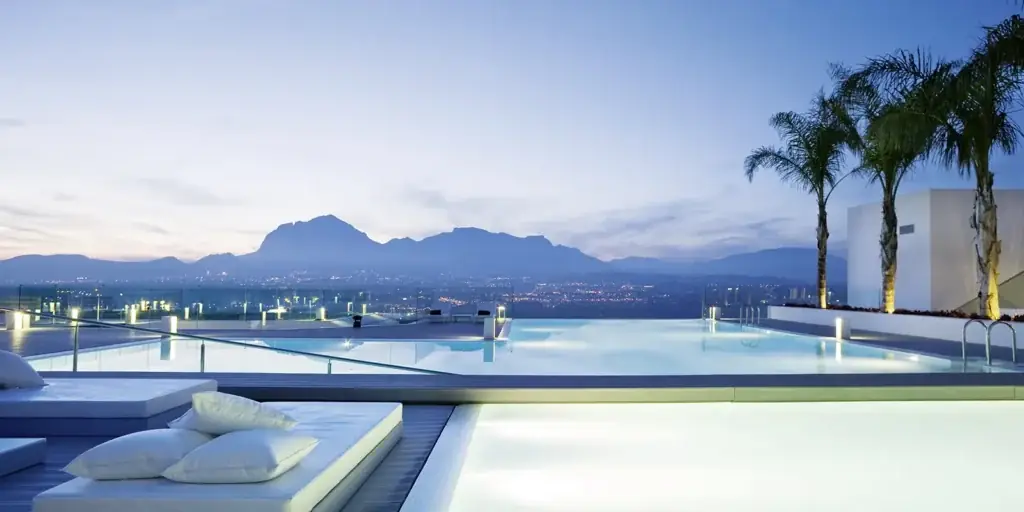
Investigating the structural mechanics that define the best high-end escapes for wellness requires dismantling the misconception that elite health retreats and luxury rejuvenation operations adhere to a single uniform global standard. An optimal selection strategy integrates seasonal climate windows, clinical healthcare infrastructure, private security integration, and jurisdictional legal protections into a cohesive operational workflow. Whether evaluating a secluded longevity clinic in the Swiss Alps or a fully staffed holistic atoll in the South Pacific, the core assessment rests on how effectively the planner aligns logistical parameters with local geographic realities and therapeutic goals.
Common misunderstandings in high-end wellness destination evaluation frequently center on assuming that financial capital alone guarantees frictionless privacy and absolute clinical efficacy. Novice planners often underestimate local staffing shortages in remote healing regions, the complexities of international customs clearances for advanced medical diagnostic equipment, or the vulnerability of rural communication grids during severe storms that could disrupt telehealth monitoring. Furthermore, many participants overlook the regulatory complexities of local health-authority licensing, native sovereignty rights, and environmental discharge permits for specialized hydrotherapy systems.
Oversimplifying these environmental and logistical variables exposes health seekers to severe privacy leaks, medical emergency delays, and operational friction. A comprehensive evaluation framework synthesizes risk management, logistical engineering, and local cultural dynamics to identify properties that offer both absolute seclusion and robust clinical support systems.
Deep Contextual Background
The evolution of modern high-end wellness sanctuaries and private healing retreats reflects the broader transformation of global wealth distribution, industrial transportation networks, and changing definitions of health over the past century. Historically, elite escapes were dominated by mineral springs in European spa towns, sanatoriums in high-altitude mountain air corridors, and traditional monastic retreats that catered to an aristocracy seeking physical restoration. As the post-war global economy expanded and commercial aviation matured, travel patterns shifted toward accessible coastal resort spas and standardized luxury hotel wellness centers, gradually diluting the clinical rigor of traditional therapeutic hubs.
The latter half of the twentieth century witnessed the rise of master-planned integrative health clinics, destination wellness resorts, and bespoke longevity centers that decoupled health seekers from crowded urban medical environments. Concurrently, the twenty-first century has been shaped by digital health monitoring, genomic medicine integration, heightened security concerns, climate change adaptation, and a growing desire for hyper-personalized, low-density therapeutic spaces. In the contemporary era, the landscape is defined by the tension between absolute mental decompression and the underlying requirement for seamless global telecommunications, biohacking laboratories, and emergency medical evacuation infrastructure.
Conceptual Frameworks and Mental Models
Navigating the complexities of selecting and evaluating premier high-end wellness sanctuaries requires robust mental models that synthesize privacy gradients, clinical self-sufficiency hierarchies, and support network proximity.
1. The Clinical Isolation-Accessibility Gradient
This framework maps physical seclusion against emergency medical response times, illustrating how ultra-remote wilderness wellness retreats require independent diagnostic and surgical stabilization infrastructure compared to suburban longevity enclaves.
2. The Operational Redundancy and Hardening Model
This mental model analyzes how backup power generation, encrypted satellite communications, and ultra-pure water purification systems dictate a property’s resilience against infrastructure failures that could compromise sensitive therapies.
3. The Seasonal Climate and Biological Rhythm Cycle
This analytical model evaluates annual weather anomalies, seasonal detoxification windows, and privacy fluctuations to guide optimal timing for therapeutic sanctuary occupancy.
Key Categories or Variations of Sanctuary Types
Categorizing the vast spectrum of elite wellness retreats requires examining how distinct geographical, architectural, and operational profiles impact guest privacy, comfort, and clinical safety.
-
The Alpine Longevity Chalet (Rocky Mountains & Swiss Alps): High-altitude hypoxia training, engineered thermal air filtration, private cryotherapy access, and helipad integration. Trade-off: Unmatched winter privacy and crisp mountain air balanced by severe weather isolation and altitude adjustment challenges.
-
The Private Island Hydrotherapy Atoll (Caribbean & South Pacific): Complete perimeter water buffer, autonomous solar/desalination microgrids, Thalassotherapy immersion bays, and dedicated clinical staff quarters. Trade-off: Ultimate physical isolation and security balanced by hurricane vulnerability and high supply-chain logistics costs for specialized organic nutrition.
-
The Coastal Cliffside Thermal Estate (Mediterranean & Pacific Coast): Natural mineral hot springs, terraced meditation gardens, private sea-level boat lifts, and strict architectural blending. Trade-off: Exceptional aesthetic grandeur and maritime access balanced by salt-air structural corrosion and erosion threats.
-
The Historic Highland Holistic Sanctuary (Scottish Highlands & English Countryside): Centuries-old architecture, expansive acreage for forest bathing, game preserves, and deep herbal heritage. Trade-off: Timeless elegance and massive territorial privacy balanced by historic preservation restrictions and complex heating maintenance.
-
The Desert Circadian Oasis Compound (American Southwest & Middle East): Architectural integration with arid landscapes, deep-well mineral water autonomy, circadian lighting systems, and absolute visual privacy. Trade-off: Total serenity from urban crowds balanced by extreme summer thermal loads and dust mitigation requirements.
-
The Jungle Ayurveda Canopy Sanctuary (Central America & Southeast Asia): Biodiverse rainforest settings, open-air pavilion designs, traditional herbal dispensary integration, and sustainable off-grid engineering. Trade-off: Immersion in pristine nature balanced by high humidity, insect management, and rapid material weathering.
Comparison of Sanctuary Categories
| Sanctuary Category | Primary Geographic Setting | Dominant Environmental Challenge | Primary Infrastructure Density |
| Alpine Longevity Chalet | High-elevation mountain slopes | Heavy snow loads, altitude sickness | Low to moderate, dependent on local clinics |
| Private Island Atoll | Tropical ocean basins | Tropical storms, rising sea levels | Complete self-sufficiency, microgrid dependent |
| Coastal Thermal Estate | Rocky marine bluffs | Salt corrosion, coastal erosion | Moderate, urban access via coastal roads |
| Historic Holistic Sanctuary | Rural pastoral uplands | Damp climate, historic upkeep codes | Low, regional estate management network |
Realistic Decision Logic
When private advisors and wellness directors select specific sanctuary types, choices must anchor in clinical risk tolerance, communication requirements, and specialized staffing dependencies. If operating with principals who require uninterrupted high-bandwidth data links for remote biomarker tracking and rapid surgical evacuation access, prioritizing a secured coastal wellness estate near a major international airport is essential, whereas true wilderness chalets or remote atolls excel for complete neurological decompression where connectivity can be throttled. Furthermore, properties lacking robust backup generation and ultra-pure water systems should be avoided by facilities housing sensitive diagnostic and hydrotherapy equipment.
Detailed Real-World Scenarios and Operational Dynamics
To understand how different regional environments impact operations across various wellness sanctuary structures, consider four distinct scenarios.
Scenario A: The Alpine Snowstorm Grid Failure
An ultra-exclusive longevity chalet in the high Rocky Mountains experiences a multi-day commercial power outage during a severe blizzard that closes all local access roads while guests undergo deep fasting protocols.
-
Constraints: Sub-zero temperatures, heavy snow accumulation blocking access, and severed fiber-optic communication lines affecting real-time continuous glucose and biometric monitoring.
-
Decision Point: The estate wellness director must decide whether to rely entirely on automated propane generators or attempt a snowcat evacuation for a guest experiencing acute metabolic distress.
-
Failure Model: The primary underground propane line freezes due to improper regulator placement, threatening interior thermal regulation and hydrotherapy pool heating.
-
Second-Order Effect: Maintaining redundant dual-fuel heating systems and on-site commercial generator backups prevents catastrophic facility freezing and therapeutic disruption.
Scenario B: The Private Island Medical Emergency
A guest staying on a private Caribbean wellness atoll suffers an acute cardiovascular event during a high-intensity breathwork and ice-bath session.
-
Constraints: Zero commercial boat or flight operations due to high seas, limited local emergency cardiac staff, and stormy night conditions.
-
Decision Point: The resident medical officer must evaluate whether night-time twin-engine helicopter extraction is feasible against FAA/aviation safety minimums.
-
Failure Model: Attempting a blind night evacuation in severe turbulence risks catastrophic aircraft loss over water.
-
Second-Order Effect: Establishing a fully equipped on-site advanced cardiac life support (ACLS) stabilization room with telemedicine links to board-certified cardiologists bridges the dangerous transit window until weather clears safely.
Scenario C: The Coastal Estate Drone Intrusion
A high-profile executive participating in a confidential stress-reduction program at a secluded Pacific coastal wellness compound notices an unauthorized commercial drone hovering above the private meditation terrace.
-
Constraints: Privacy violation, lack of immediate law enforcement air support, and potential media exposure of confidential health treatments.
-
Decision Point: Security personnel must choose between electronic countermeasures or passive optical tracking and legal documentation.
-
Failure Model: Engaging in aggressive physical or illegal electronic downing of the drone triggers property damage liabilities and unwanted public scrutiny.
-
Second-Order Effect: Deploying legal airspace registration alerts, acoustic detection arrays, and passive optical framing ensures evidence collection without escalating legal exposure.
Scenario D: The Desert Compound Water Supply Failure
A luxury desert oasis wellness compound in the American Southwest experiences a sudden mechanical failure in its primary deep-well mineral water pump during peak summer heat while hosting an intensive cleansing retreat.
-
Constraints: 45-degree Celsius ambient temperatures, heavy daily water consumption for hydrotherapy and colonics, and remote repair technician availability.
-
Decision Point: Management must decide whether to ration existing greywater recycling systems or dispatch emergency tanker trucks.
-
Failure Model: Relying solely on the single deep well without an emergency holding reservoir leads to immediate domestic and clinical water failure and extreme health risks.
-
Second-Order Effect: Installing multi-day mineral water storage tanks and automated cross-over valves guarantees uninterrupted clinical supply during mechanical servicing.
Planning, Cost, and Resource Allocation
Executing a seamless seasonal wellness sanctuary acquisition and management strategy requires structured financial planning covering capital expenditure, continuous clinical staffing, maintenance, and security hardening.
Financial Dynamics and Cost Variability
| Planning Element | Estimated Financial Range | Primary Cost Driver | Financial Risk / Value Impact |
| Clinical & Concierge Staffing | $200,000 to $800,000+ / year | Resident physicians, specialized therapists, security | Ensures continuous guest safety and therapeutic efficacy |
| Microgrid & Infrastructure Upkeep | $50,000 to $250,000+ / year | Generator overhauls, water purification filters | Prevents catastrophic off-grid system failures |
| Private Aviation & Transfers | $2,000 to $15,000+ / movement | Distance, aircraft category, remote landing fees | Major operational cost driver for remote properties |
| Security & Surveillance Audits | $30,000 to $100,000+ / year | Cybersecurity hardening, physical patrol teams | Mitigates espionage and physical intrusion risks |
Opportunity Costs and Resource Allocation
A frequent financial miscalculation made by wellness estate planners involves underestimating the logistical friction and cost of procuring specialized organic produce, medical consumables, and replacement parts in remote regions. Attempting to service custom hydrotherapy filtration systems or specialized cryotherapy chambers in an isolated island location can incur massive mobilization fees and multi-week operational delays. Allocating financial resources toward maintaining an inventory of critical replacement parts and organic cold-chain storage on-site preserves operational continuity and prevents minor mechanical failures from disrupting guest healing programs.
Tools, Strategies, and Support Systems
Managing high-end wellness sanctuaries safely requires utilizing encrypted communication systems, clinical health management software, professional security networks, and automated environmental monitors.
-
Encrypted Satellite Communication Systems (Starlink / Iridium Certus): High-speed global data links ensuring secure telemedicine consultations and biometric data streaming independent of local cellular towers. Limitation: Physical hardware can be jammed or damaged by extreme weather.
-
Clinical Health Management Platforms (Secure EHR/EMR Integration): Digital operational dashboards tracking guest biometric profiles, therapeutic schedules, and practitioner notes. Limitation: Requires disciplined data entry by resident clinical staff to remain effective.
-
Physical Security Information Management (PSIM) Software: Centralized monitoring interfaces integrating CCTV, perimeter thermal sensors, and access control logs. Limitation: Prone to false alarms if environmental calibration is neglected.
-
Automated Environmental Sensors (IoT Hydro/Thermal Arrays): Real-time monitoring of mineral pool pH levels, sauna humidity, and generator fuel consumption. Limitation: Dependent on local power and Wi-Fi network stability.
-
Private Security Intelligence Networks: Proprietary threat assessment feeds providing early warnings on geopolitical or local civil unrest near properties. Limitation: Subscription costs can be high with variable predictive accuracy.
-
Telemedicine and Emergency Response Contracts (International SOS / Global Rescue): 24/7 medical advisory and emergency air evacuation memberships. Limitation: Subject to local weather windows and sovereign airspace permissions.
Risk Landscape and Failure Modes
Operating and maintaining elite wellness retreat properties introduces severe physical, technological, and logistical hazards that require rigorous risk mitigation protocols.
Taxonomy of Sanctuary Risks
-
Supply Chain Isolation Failures: Inability to receive organic perishables, clinical pharmaceuticals, or medical gases due to regional transit strikes, severe weather, or port closures.
-
Cyber and Digital Surveillance Vulnerabilities: Interception of confidential health records, unauthorized smart-home hacking, or drone-based visual espionage of healing guests.
-
Infrastructure Cascade Collapses: Simultaneous failure of primary power grids, water purification pumps, and hydrotherapy heating systems in remote areas.
-
Staff Turnover and Insider Threat Risks: Operational disruptions or confidentiality breaches stemming from poorly vetted or disgruntled clinical and estate personnel.
Compounding Risk Events
In wellness estate management, minor initial oversights frequently compound into major operational crises. For example:
-
Initial Oversight: An estate manager defers routine annual servicing of the backup diesel generator’s fuel injection pump during the off-season.
-
Secondary Complication: A severe winter storm knocks out regional commercial power lines, forcing the wellness property onto emergency generator power while hosting guests on intensive detoxification regimens.
-
Compounding Hazard: The unserviced generator fails under continuous load after 18 hours of operation due to a clogged fuel injector.
-
Critical Failure: Hydrotherapy pools and cryotherapy units lose power, spoiling sensitive organic biological preparations and causing interior temperatures to plummet, interrupting critical therapeutic protocols.
This cascading vulnerability illustrates why understanding mechanical dependencies, maintaining strict preventative maintenance schedules, and enforcing operational redundancy are non-negotiable requirements for wellness estate owners.
Governance, Maintenance, and Long-Term Adaptation
Sustaining a secure and pristine multi-property wellness portfolio requires adherence to strict seasonal audit cycles, preventative maintenance protocols, and environmental adaptation standards.
Monitoring and Review Cycles
Wellness directors and estate managers must conduct rigorous bi-annual operational reviews, aligning property readiness with projected retreat calendars and seasonal weather shifts. Maintaining active tracking of local health-authority regulations, environmental protection mandates, and security threat intelligence ensures proactive adaptation to regulatory and physical risk landscapes.
Layered Sanctuary Execution Checklist
-
Seasonal Weather & Climate Audit: Align property readiness protocols with peak storm seasons, wildfire risks, or heavy snow loads.
-
Microgrid & Backup System Test: Execute full-load generator tests, fuel polishing, and battery bank capacity checks monthly.
-
Security Perimeter & Cyber Audit: Test all biometric access points, CCTV infrared sensors, and encrypted network firewalls quarterly.
-
Medical & Emergency Response Review: Inspect on-site advanced life support kits, verify satellite phone connectivity, and update evacuation flight plans.
-
Supply Chain & Provisions Check: Maintain a minimum 30-day reserve of medical supplies, organic non-perishables, bottled water, and critical mechanical spare parts.
Measurement, Tracking, and Evaluation
Assessing the overall operational success of a high-end wellness sanctuary portfolio requires balancing quantitative clinical reliability metrics with qualitative privacy and restorative comfort signals.
Leading vs. Lagging Indicators of Success
-
Leading Indicators (Predictive of positive outcomes):
-
Completion of 100% of scheduled preventative maintenance tasks for clinical and hydrotherapy equipment prior to guest arrivals.
-
Regular medical emergency drills and simulations conducted by estate security and clinical response teams.
-
Proactive updates to cyber-security firewalls and encrypted EHR firmware.
-
Continuous monitoring of local environmental and geopolitical threat feeds.
-
-
Lagging Indicators (Retrospective outcome metrics):
-
Zero unannounced service interruptions or clinical equipment failures during guest occupancy.
-
Total operational expenditures remaining within the approved annual wellness estate budget.
-
Zero privacy breaches, security intrusions, or unauthorized health data captures.
-
Consistently high satisfaction and retention ratings among long-term resident clinical and wellness staff.
-
Formal Documentation Examples
-
Sanctuary Master Operational Manual: The comprehensive protocol document detailing opening/closing procedures, clinical safety clearance levels, and emergency response workflows.
-
Preventative Maintenance Log: The audited digital record tracking hours of operation, part replacements, and service technician sign-offs for all critical clinical infrastructure.
-
Security Incident & Access Register: The secure log documenting all visitor arrivals, perimeter alarms, and network access events.
Common Misconceptions and Oversimplifications
-
Myth: Owning a remote luxury wellness sanctuary completely insulates guests from geopolitical instability and global supply chain shocks.
-
Correction: Remote properties are often more vulnerable to supply chain disruptions and require complex logistical planning to remain operational.
-
-
Myth: Advanced smart-home automation systems make estate management entirely hands-off and eliminate the need for on-site staff.
-
Correction: Highly automated wellness properties frequently require specialized technicians on standby to troubleshoot complex integrated software and hydrotherapy hardware failures.
-
-
Myth: Private islands and remote compounds are inherently secure against physical intrusions without professional security personnel.
-
Correction: Unmonitored coastlines and private beaches require active radar, thermal cameras, or patrol teams to prevent unauthorized landings near healing spaces.
-
-
Myth: Purchasing high-end wellness real estate in foreign jurisdictions is legally simple and exempt from local health-authority licensing or inheritance complications.
-
Correction: Cross-border property holdings involve intricate legal structures, foreign ownership caps, and complex local health-regulatory compliance laws.
-
-
Myth: Standard residential insurance policies adequately cover ultra-high-value remote wellness estates against all natural disasters.
-
Correction: Properties in high-risk wildfire, flood, or hurricane zones require specialized surplus-lines underwriting and bespoke risk mitigation covenants.
-
-
Myth: High-speed satellite internet completely replicates urban fiber-optic speeds without latency or weather interference.
-
Correction: Heavy atmospheric moisture, torrential rain, or dense canopy cover can significantly degrade satellite signal bandwidth and increase ping latency for remote telemedicine consultations.
-
Ethical, Practical, or Contextual Considerations
Operating ultra-luxury wellness sanctuaries within fragile natural ecosystems or rural communities carries profound responsibilities toward environmental stewardship, local labor, fair treatment, and community relations. While absolute privacy and personal health rejuvenation are primary goals, they must align with ethical resource consumption. Minimizing water extraction footprints in arid desert zones, respecting indigenous land rights, preventing light pollution in dark-sky regions, and paying living wages to local wellness staff preserve the social license to operate and ensure sustainable luxury asset preservation.
Conclusion
Executing a premier high-end wellness retreat strategy requires an uncompromising integration of infrastructural redundancy, advanced clinical security, logistical foresight, and rigorous asset maintenance. Moving past glossy marketing representations of spa menus to embrace the true operational realities of distinct geographical environments ensures that health seekers and family offices can experience absolute sanctuary with total confidence and clinical safety.
Whether inhabiting a high-altitude alpine longevity chalet, a remote tropical island hydrotherapy atoll, a dramatic coastal thermal estate, or a historic holistic sanctuary, the fundamental objective remains unchanged: achieving profound physical and mental renewal without compromising security, operational integrity, or environmental responsibility. Prioritizing systematic planning, technical readiness, and uncompromised situational awareness transforms high-end wellness sanctuary ownership into a secure, enduring foundation of extraordinary lifestyle quality.