Best High End Escapes for Solo Travelers: Definitive Luxury Guide
Navigating the architectural protocols, diplomatic security networks, and specialized concierge healthcare infrastructure across elite domestic and international solo travel retreats demands an uncompromising command of cross-border liability statutes, personal safety logistics, and single-occupancy financial structuring. Evaluating the options available to discerning independent voyagers, wealth managers, and corporate sabbatical directors extends far beyond glossy marketing brochures of secluded beach bungalows and wellness sanctuaries, requiring instead a rigorous technical examination of international reciprocal emergency medical agreements, private transport security protocols, localized municipal crime analytics, and single-supplement fee structures. Planners, estate executors, and luxury travel coordinators must reconcile the diverse physical realities of solo-optimized retreats ranging from high-altitude Japanese ryokan enclaves and remote Scandinavian wilderness design lodges to private island maritime networks and urban concierge residential towers.
Selecting an optimal multi-jurisdictional solo retreat footprint involves navigating a complex matrix of regulatory hurdles, currency depreciation risks, and shifting diplomatic security mandates. Planners frequently underestimate the operational impact of sudden legal code revisions in foreign jurisdictions, localized emergency medical evacuation bottlenecks during remote transit, and strict single-occupancy property lease covenants. A comprehensive framework reconciles these legal and physical constraints with personal privacy preferences such as discrete security perimeters, 24/7 dedicated personal concierges, and integrated telehealth connectivity to prevent operational gridlock, personal vulnerability, and logistical failure.
This analysis establishes an exhaustive reference blueprint for assessing, structuring, and evaluating the best high-end escapes for solo travelers across global markets. By dissecting historical shifts, mental models, residential categories, financial frameworks, and hazard taxonomies, this guide provides the depth needed to evaluate high-end solo travel assets with editorial authority and analytical precision.
Understanding “best high-end escapes for solo travelers.”

Investigating the structural mechanics that define how stakeholders evaluate the best high-end escapes for solo travelers requires dismantling the misconception that elite independent retreats and solo-optimized luxury resorts adhere to a single uniform global standard. An optimal selection strategy integrates cross-border security protocols, seamless single-occupancy pricing models, localized emergency health evacuation integration, and private concierge support systems into a cohesive operational workflow. Whether evaluating a specialized vertical wellness tower in a major financial capital or a secluded coastal estate network in the South Pacific, the core assessment rests on how effectively the destination balances absolute personal autonomy with institutional safety support.
Common misunderstandings in high-end solo travel evaluation frequently center on assuming that substantial financial resources alone guarantee absolute personal security and frictionless social integration. Novice planners often underestimate the complexities of foreign legal jurisdictions during medical or legal emergencies, the psychological vulnerability of isolation in ultra-remote environments, or the hidden financial penalties of single-supplement pricing structures across luxury hospitality networks. Furthermore, many participants overlook the regulatory intricacies of local transportation security, such as unlicensed private transfers or unvetted local excursion operators.
Oversimplifying these security and financial variables exposes solo travelers to severe personal vulnerabilities, operational isolation, and compromised medical delivery during critical health events. A comprehensive evaluation framework synthesizes risk management, legal engineering, and hospitality infrastructure dynamics to identify travel retreats that offer both absolute privacy and robust operational support systems.
Deep Contextual Background
The evolution of modern high-end solo travel enclaves and luxury independent retreats reflects the broader transformation of global demographics, wealth distribution, and changing definitions of personal autonomy over the past century. Historically, elite independent travel was characterized by aristocratic grand tours, scholarly expeditions, or seasonal migration undertaken primarily by privileged classes with extensive domestic retinues. As commercial aviation matured and post-war wealth accumulation expanded, travel patterns shifted toward standardized group tourism and family-oriented resort models that frequently penalized or marginalized independent single travelers.
The latter half of the twentieth century witnessed the rise of boutique design hotels, specialized wellness sanatoriums, and adventure travel companies that began accommodating independent voyagers. Concurrently, the twenty-first century has been shaped by the explosive growth of remote executive work, rising numbers of independent high-net-worth professionals, advanced personal tracking and communication technologies, and a growing cultural valuation of solitude and restorative privacy. In the contemporary era, the landscape is defined by the tension between absolute global mobility and the underlying requirement for proximate, ultra-secure physical environments and frictionless single-occupancy integration.
Conceptual Frameworks and Mental Models
Navigating the complexities of selecting and evaluating premier high-end solo retreats requires robust mental models that synthesize personal security gradients, social isolation thresholds, and concierge support density.
1. The Autonomy and Security Gradient
This framework maps physical isolation against 24/7 emergency response times and security perimeter density, illustrating how ultra-luxury solo retreats must balance absolute privacy with immediate intervention capabilities.
2. The Single-Occupancy Economic Equilibrium Model
This mental model analyzes how resort pricing structures, single-supplement waivers, and dedicated staff-to-guest ratios dictate the true cost efficiency of solo luxury assets.
3. The Psychological Decompression and Social Curation Cycle
This analytical model evaluates peer density, structured programming versus unstructured quiet time, and staff cultural alignment to guide optimal selection for independent travelers.
Key Categories or Variations of Solo Escape Types
Categorizing the vast spectrum of elite solo travel options requires examining how distinct geographic, architectural, and operational profiles impact traveler safety, privacy, and personal enrichment.
-
The Integrated Wellness Sanatorium (Alpine & Nordic Valleys): Master-planned medical wellness retreats offering single-occupancy diagnostic tracking, nutritional programming, and mental decompression. Trade-off: Unmatched proactive health optimization and structured routine balanced by rigid daily schedules and high financial cost.
-
The Secluded Eco-Archipelago Sanctuary (Indian Ocean & South Pacific): Private island villas with dedicated personal hosts, marine security perimeters, and total visual isolation. Trade-off: Absolute psychological privacy and natural beauty balanced by complex air-transfer logistics and marine weather vulnerability.
-
The Historic Cultural Ryokan Network (Japanese Mountain & Rural Provinces): Traditional hospitality architecture focusing on meditative isolation, seasonal gastronomy, and impeccable single-guest attentiveness. Trade-off: Deep cultural immersion and aesthetic refinement balanced by language barriers and strict traditional etiquette codes.
-
The Urban Designer Serviced Residence (Global Financial Capitals): Luxury branded residential towers offering autonomous living combined with round-the-clock concierge security and immediate cultural access. Trade-off: Absolute urban convenience and frictionless lifestyle services balanced by density and lack of natural wilderness.
-
The Wilderness Adventure Lodge (Patagonia & Rocky Mountain Highlands): Remote high-end lodges providing guided solo expeditions, private wilderness access, and rugged physical restoration. Trade-off: Exhilarating outdoor autonomy and dramatic landscapes balanced by extreme weather exposure and medical evacuation lag times.
-
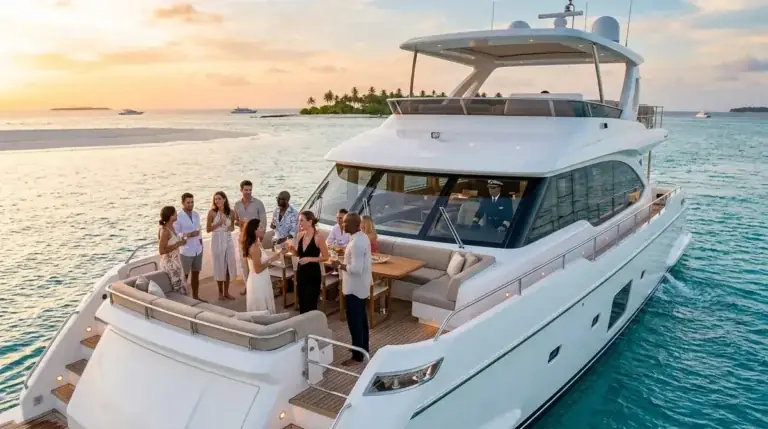
The Private Yacht Charter Network (Mediterranean & Caribbean Basins): Fully crewed private vessels offering mobile independent voyages with bespoke routing and complete environmental control. Trade-off: Ultimate freedom of movement and personalized service balanced by high operational overhead and maritime motion constraints.
Comparison of Solo Escape Categories
| Solo Escape Category | Primary Geographic Profile | Dominant Operational Model | Primary Operational Vulnerability |
| Alpine Wellness Sanatorium | Mountainous / Nordic Valleys | Medical wellness & diagnostics | Rigid scheduling, high cost |
| Eco-Archipelago Sanctuary | Tropical Archipelagos | Dedicated personal hosts | Weather isolation, transfer delays |
| Cultural Ryokan Network | Rural & Mountain Japan | Traditional hospitality | Language barriers, strict etiquette |
| Urban Serviced Residence | Major Metropolitan Core | Concierge security & autonomy | Urban density, noise exposure |
Realistic Decision Logic
When private wealth advisors and independent travelers evaluate the best high-end escapes for retirees or independent executives, choices must anchor in baseline health profiles, security requirements, and desired social contact levels. If operating with principals who require immediate access to multi-organ medical support or structured dietary supervision, prioritizing alpine wellness sanatoriums or urban serviced residences is essential, whereas eco-archipelago sanctuaries or wilderness adventure lodges excel for solo travelers prioritizing complete digital disconnection and outdoor exploration. Furthermore, locations lacking robust emergency evacuation infrastructure or transparent single-occupancy safety policies should be avoided by solo voyagers with complex medical histories or high threat profiles.
Detailed Real-World Scenarios and Operational Dynamics
To understand how different operational environments impact high-end solo travel assets across various regions, consider four distinct scenarios.
Scenario A: The Alpine Wellness Sanatorium Medical Interruption
A solo executive staying at an isolated Nordic wellness sanctuary experiences an acute systemic infection during a severe winter storm.
-
Constraints: Sub-zero temperatures, snow-blocked mountain passes, and a single resident physician on site.
-
Decision Point: The retreat director must coordinate emergency snowcat transport with civil defense authorities while maintaining intravenous antibiotic therapy.
-
Failure Model: Failing to maintain redundant communication channels with regional tertiary hospitals risks fatal delays in acute medical care.
-
Second-Order Effect: Establishing hardwired satellite communication arrays and pre-contracted helicopter evacuation services ensures seamless medical intervention during extreme weather.
Scenario B: The Island Sanctuary Marine Evacuation Delay
A solo traveler on a remote South Pacific eco-sanctuary faces an unexpected severe tropical cyclone warning requiring immediate evacuation.
-
Constraints: High-velocity winds grounding local seaplanes, rising storm surges, and island isolation.
-
Decision Point: The island security manager must execute secure shelter-in-place protocols within reinforced concrete bunker villas while monitoring satellite weather feeds.
-
Failure Model: Attempting premature water-borne evacuations during rising storm swells risks catastrophic maritime accidents.
-
Second-Order Effect: Designing storm-hardened private villas with independent micro-grids and multi-week supply reserves guarantees safety during lockdown events.
Scenario C: The Urban Serviced Residence Security Breach
A high-net-worth solo traveler in an urban branded residence discovers an unauthorized intrusion attempt on their private floor.
-
Constraints: High-density urban setting, sophisticated digital access logs, and local law enforcement response times.
-
Decision Point: The head of building security must isolate the affected elevator bank, review biometric access logs, and escort the guest to a secure panic suite.
-
Failure Model: Relying on lax building security protocols or unvetted front-desk staff compromises guest safety and privacy.
-
Second-Order Effect: Implementing encrypted private elevator access controls and dedicated 24/7 floor surveillance eliminates unauthorized intrusion vectors.
Scenario D: The Wilderness Lodge Expedition Emergency
A solo traveler on a guided backcountry expedition in Patagonia suffers a severe compound fracture miles from the main base lodge.
-
Constraints: Rugged terrain, lack of cellular coverage, and dropping evening temperatures.
-
Decision Point: The private mountain guide must deploy a personal locator beacon, administer field trauma stabilization, and construct a thermal shelter.
-
Failure Model: Venturing into remote terrain without satellite emergency beacons or trained guide accompaniment creates mortal danger during accidents.
-
Second-Order Effect: Mandating dual-frequency satellite communication devices for all solo excursions ensures immediate rescue coordination under any conditions.
Planning, Cost, and Resource Allocation
Executing a seamless high-end solo travel itinerary requires structured financial planning covering single-supplement premiums, private transport, emergency medical coverage, and specialized concierge retainers.
Financial Dynamics and Cost Variability
| Planning Element | Estimated Financial Range | Primary Cost Driver | Financial Risk / Value Impact |
| Accommodation & Single Fees | $1,500 to $10,000+ / night | Resort exclusivity, villa footprint, single-occupancy loading | High fixed cost per night requiring budget optimization |
| Private Transport & Escorts | $500 to $5,000+ / day | Armored vehicles, private pilots, security details | Essential safety investment protecting personal transit |
| Emergency Medical & Evac | $5,000 to $25,000+ (Annual/Trip) | Global coverage limits, air-ambulance retainers | Critical risk mitigation for remote travel |
| Concierge & Advisory Retainers | $10,000 to $50,000+ / year | 24/7 personal support, itinerary curation | Guarantees frictionless execution and rapid problem-solving |
Opportunity Costs and Resource Allocation
A frequent financial miscalculation made by solo travelers involves over-allocating capital to hyper-luxurious accommodations while under-investing in essential security and medical emergency support systems. Booking an ultra-expensive resort without verifying whether the property provides secure private transfers or 24/7 on-site medical staffing exposes the traveler to severe vulnerabilities during unforeseen crises. Allocating financial resources toward comprehensive emergency evacuation memberships and verified secure transport networks preserves both safety and peace of mind.
Tools, Strategies, and Support Systems
Managing high-end solo travel safely requires utilizing encrypted communication channels, global concierge networks, IoT personal tracking devices, and secure digital document vaults.
-
Encrypted Satellite Communication Devices (Garmin inReach / Iridium): Global messaging and SOS emergency beacon hardware ensuring connectivity beyond cellular range. Limitation: Requires clear line-of-sight to satellites for optimal message transmission.
-
Global Luxury Concierge Services (Quintessentially / Ten Lifestyle): 24/7 human-backed assistance managing reservations, private transport, and emergency troubleshooting. Limitation: Service quality varies based on local partner network density.
-
Encrypted Digital Document Vaults: Secure, zero-knowledge cloud storage housing passports, visas, insurance policies, and medical directives. Limitation: Dependent on internet connectivity and secure device encryption.
-
Biometric Access and Room Security Monitors: Portable door alarms and electronic perimeter sensors providing real-time alerts for hotel room entries. Limitation: Requires proper setup and battery maintenance.
-
Global Medical Repatriation Memberships (Medjet / Global Rescue): Contracted air-ambulance services transferring travelers to home-country hospitals during medical crises. Limitation: Subject to sovereign airspace restrictions and weather clearance.
-
Secure Expense and Asset Tracking Apps: Multi-currency digital wallets with biometric authentication and instant card-freeze capabilities. Limitation: Vulnerable to device theft if biometric security is bypassed.
Risk Landscape and Failure Modes
Operating and traveling independently within elite international retreats introduces severe legal, physical, and environmental hazards that require rigorous risk mitigation protocols.
Taxonomy of Solo Travel Risks
-
Personal Security and Extraction Vulnerabilities: Risks associated with targeted theft, kidnapping, or civil unrest in unfamiliar foreign jurisdictions.
-
Medical Emergency Isolation: Complications arising from delayed medical diagnosis and treatment during remote solo travel excursions.
-
Legal and Jurisdictional Complications: Encounters with unfamiliar local laws, arbitrary detention risks, or unsupportive consular services.
-
Psychological Isolation and Burnout: Cognitive strain and emotional fatigue resulting from prolonged solitude without trusted peer interaction.
Compounding Risk Events
In high-end solo travel management, minor initial oversights frequently compound into major life crises. For example:
-
Initial Oversight: A solo traveler embarks on a luxury trip to a remote region without registering their itinerary with their country’s consular office or private security firm.
-
Secondary Complication: Unforeseen civil unrest breaks out in the destination city, shutting down the international airport and severing commercial communication lines.
-
Compounding Hazard: The traveler’s credit cards are blocked due to suspected foreign fraud alerts, and because no local emergency cash or secondary communication device was arranged, the traveler cannot pay for secure transport.
-
Critical Failure: Trapped in a high-risk zone without funds, communication, or consular tracking, the traveler faces immediate personal danger and prolonged entrapment.
This cascading vulnerability illustrates why understanding security dependencies, maintaining redundant communication channels, and enforcing proactive emergency planning are non-negotiable requirements for elite solo travel.
Governance, Maintenance, and Long-Term Adaptation
Sustaining a secure and seamless multi-destination solo travel lifestyle requires adherence to strict pre-trip audit cycles, ongoing security reviews, and emergency protocol testing.
Monitoring and Review Cycles
Independent travelers, family offices, and travel coordinators must conduct rigorous pre-trip risk assessments, aligning destination choices with current geopolitical intelligence, health advisories, and seasonal weather patterns. Maintaining active tracking of visa requirements, passport validity, and medical immunization schedules ensures proactive adaptation to regulatory and environmental shifts.
Layered Solo Travel Execution Checklist
-
Geopolitical & Security Audit: Review official state department travel advisories, private security intelligence briefings, and local unrest indices.
-
Medical & Evacuation Plan Verification: Confirm active air-ambulance memberships, identify local tertiary hospitals, and verify prescription medication supplies.
-
Document & Digital Vault Audit: Ensure encrypted backups of passports, visas, insurance policies, and emergency contact numbers are accessible.
-
Transport & Transfer Vetting: Pre-book verified armored or luxury private transfers through trusted global concierge networks.
-
Communication & Tracking Check: Test satellite communication devices, verify roaming data plans, and establish formal check-in protocols with a home base.
Measurement, Tracking, and Evaluation
Assessing the overall operational success of a high-end solo travel itinerary requires balancing quantitative financial metrics with qualitative safety and well-being signals.
Leading vs. Lagging Indicators of Success
-
Leading Indicators (Predictive of positive outcomes):
-
Completion of 100% of pre-trip security briefings and medical preparedness audits.
-
Successful pre-booking of all airport transfers and accommodation security protocols.
-
Regular check-ins executed according to established communication schedules.
-
Active monitoring of local weather and political intelligence feeds throughout the journey.
-
-
Lagging Indicators (Retrospective outcome metrics):
-
Zero unmanaged security incidents, medical emergencies, or transport failures during the trip.
-
Total travel expenditures remaining within the approved luxury budget allocation.
-
Zero passport losses, legal disputes, or document processing delays.
-
Consistently high personal restoration, relaxation, and satisfaction reported by the traveler.
-
Formal Documentation Examples
-
Solo Travel Master Dossier: The comprehensive digital document containing complete itineraries, accommodation contacts, medical histories, and emergency protocols.
-
Security and Transport Verification Log: The audited record tracking pre-vetted drivers, flight numbers, airport meet-and-greet personnel, and hotel security assessments.
-
Post-Trip Evaluation Register: The formal review document capturing lessons learned, vendor performance ratings, and recommendations for future itineraries.
Common Misconceptions and Oversimplifications
-
Myth: Booking a five-star luxury resort automatically guarantees comprehensive personal security and safe transit arrangements for solo guests.
-
Correction: Luxury hospitality amenities do not cover external transport security or off-site excursion safety, which require independent vetting.
-
-
Myth: Solo travelers do not need emergency evacuation insurance if they are visiting stable, developed countries.
-
Correction: Medical repatriation and emergency extraction services are critical regardless of destination stability due to specialized transport costs.
-
-
Myth: Single-supplement fees are merely arbitrary marketing markups rather than reflections of real operating costs for luxury properties.
-
Correction: Single supplements account for fixed room occupancy overheads, though many luxury operators now offer waived or reduced rates.
-
-
Myth: Advanced smartphones and standard cellular roaming eliminate the need for dedicated satellite communication devices in remote areas.
-
Correction: Cellular networks fail frequently in wilderness, mountain, or remote island environments where satellite devices remain essential.
-
-
Myth: High-net-worth solo travelers are immune to localized scams, petty crime, or targeted theft in elite resort destinations.
-
Correction: Affluent travelers frequently attract sophisticated targeting, making situational awareness and discreet security essential.
-
-
Myth: Relying entirely on spontaneous itinerary planning is viable and safe when operating within luxury travel markets.
-
Correction: Spontaneous travel without pre-vetted transport and accommodation bookings increases exposure to operational vulnerabilities.
-
Ethical, Practical, or Contextual Considerations
Operating elite solo travel itineraries within fragile ecosystems, historic communities, or developing nations carries profound responsibilities toward local economic support, cultural respect, and environmental sustainability. While absolute personal privacy, comfort, and safety are primary goals, they must be balanced against the socio-economic impact of insular luxury consumption. Supporting local conservation initiatives, employing certified local guides, minimizing environmental footprints through sustainable travel choices, and respecting regional cultural norms preserve the social license to operate and ensure harmonious engagement with host communities.
Conclusion
Executing a premier high-end solo travel experience requires an uncompromising integration of personal security protocols, medical preparedness, infrastructural resilience, and rigorous itinerary governance. Moving past glossy marketing representations of independent travel to embrace the true operational realities of cross-border mobility and personal autonomy ensures that solo voyagers can experience exceptional lifestyle quality with total confidence and security.
Whether selecting an alpine wellness sanatorium, an eco-archipelago sanctuary, a traditional cultural ryokan, or an urban designer serviced residence, the fundamental objective remains unchanged: achieving profound personal restoration without compromising health safety, legal integrity, or financial stability. Prioritizing systematic planning, technical readiness, and uncompromised editorial oversight transforms high-end solo travel into a secure, enduring foundation of extraordinary life quality.